







Search Results for: Northwest China market

Peet's Coffee's first Xi'an store opens to a queue frenzy, with limited-edition merch becoming the scramble focal point.
The chain coffee brand Peet's opened its first store in Northwest China at Xi'an Daduhui, drawing a large crowd of fans who lined up early in the morning on opening day. What attracted the crowd was not just the title of "first regional store," but also limited-edition city-exclusive fridge magnets, enamel cups, and kraft paper backpacks and other merchandise. The number of people queuing on site was so large that the line curved around twice, and customers generally had to wait about two hours to enter the store. The store has not yet opened an online ordering channel and only supports orders at the bar, which has affected efficiency to some extent. Peet's plans to open a total of three stores in Xi'an, with subsequent stores to appear one after another. However, some consumers and enthusiasts remain wait-and-see about the brand's long-term performance in the inland market, believing that high-priced products may face challenges in the current consumption environment. [more…]

Guming's Xi'an Gaoxin store permanently closes after lease expires, leaving only one store in the city and sparking heated discussion among residents
The Guming Xi'an Hi-tech store officially closed permanently starting March 11 due to the inability to renew its lease upon expiration. This marks the second directly operated store of Guming to exit the Xi'an urban market, following the closure of the gogo block store in mid-2025. Once the news broke, local consumers reacted strongly on social media, expressing regret and confusion. However, a netizen with inside knowledge revealed that the store may relocate to the first floor of the Hi-tech T11 Mall and reopen, potentially on a larger scale. Meanwhile, relevant personnel from Guming's Northwest region also hinted in the comments section that the brand has not withdrawn from Xi'an and still has plans for future expansion. As the Front Street Coffee content team, which has long tracked developments in the coffee and tea beverage industry, we continue to monitor how chain brands advance and retreat in regional markets. [more…]
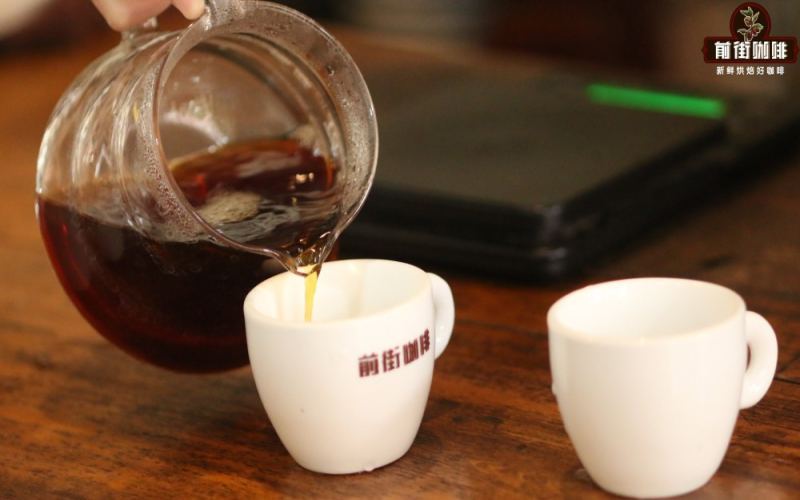
Guatemalan Coffee vs. Mandheling Flavor Differences: Which Is More Bitter? A Complete Overview of the Antigua Region
Guatemala and Mandheling are two representatives with vastly different styles in the world of specialty coffee. The former is known for its bright fruity acidity, smoky aftertaste, and elegant balance, while the latter is renowned for its rich, full-bodied intensity, low acidity, high sweetness, and complex layers. Which one is more bitter? The answer is often Mandheling. This article systematically examines the flavor differences between Guatemala Antigua, Huehuetenango, and Sumatra Lintong, PWN Golden Mandheling—from growing environments, regional distribution, and varietal structure to processing methods, roasting, and brewing parameters—and shares Front Street Coffee's practical approach to roasting and extraction, helping you more accurately understand and choose between these two types of coffee. [more…]

What Beans Should Beginners Choose for Pour-Over Coffee? A Comprehensive Analysis of Front Street Coffee's Seven Classic Single-Origin Everyday Beans
Want to brew a pour-over coffee yourself but don't know which bean to start with? Based on Front Street's brewing experience, this article systematically lays out the basic principles and essential equipment of pour-over coffee, and selects seven everyday specialty coffee beans from classic origins for beginners. From the citrus and floral notes of Ethiopia Yirgacheffe, to the clean fruity tones of Guatemala Huehuetenango, to the nutty chocolate profile of Colombia Huila, the sweet and balanced cup of Brazil Cerrado, the soft acidity of Costa Rica Tarrazú, the woody spice aroma of Indonesia Lintong Mandheling, and the brown sugar and melon sweetness of China Yunnan Baoshan, each bean comes with a detailed breakdown of its origin background, processing method, and roasting approach, helping you find the pour-over flavor starting point that suits you best. [more…]
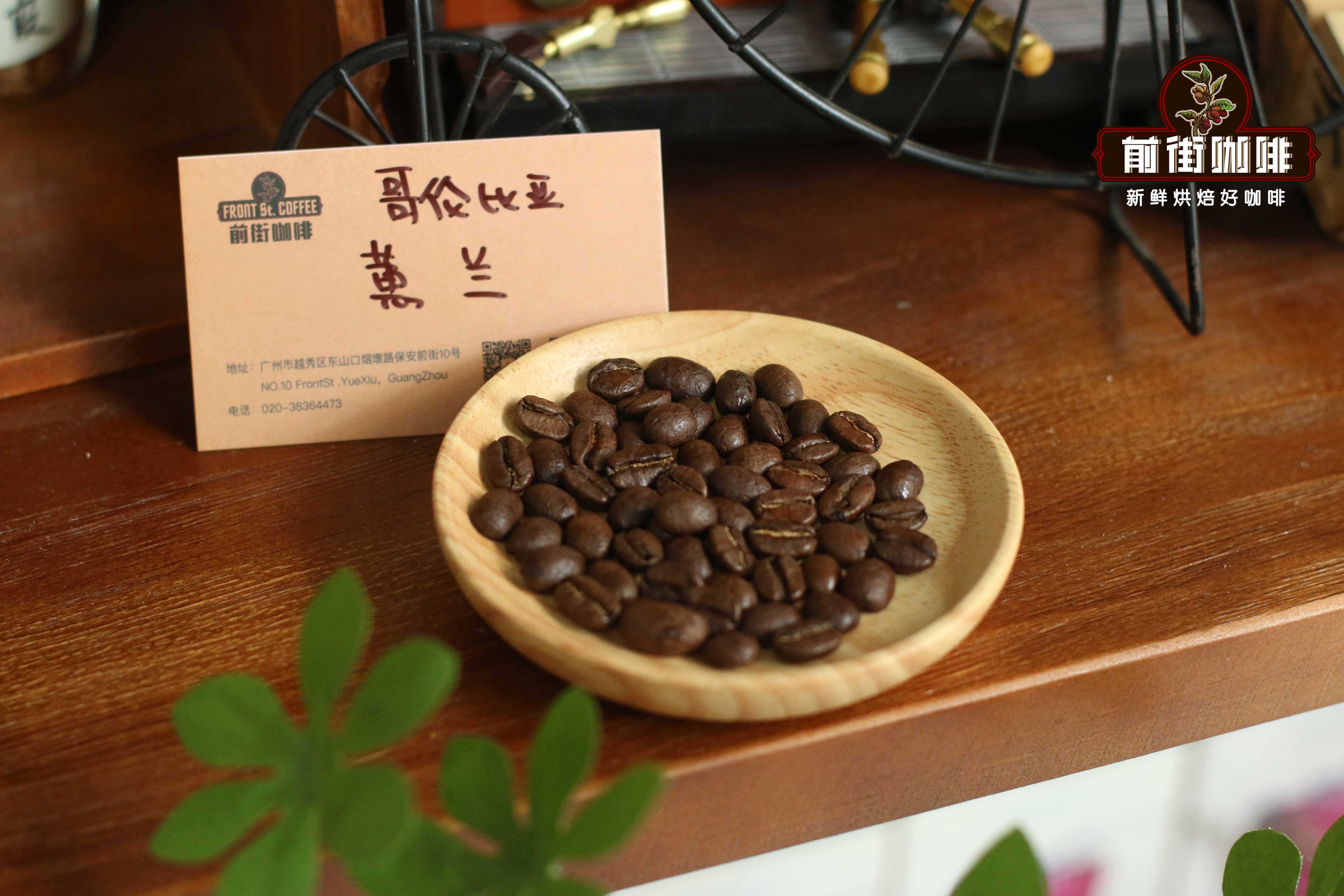
A Complete Guide to Colombian Coffee Flavors and Regions: A Taste Exploration from Huila to Sidra
Colombian coffee occupies an important place in the global specialty coffee landscape with its soft, sweet, balanced, and elegant flavors. From the classic Huila washed beans to the special processing lots that have attracted much attention in recent years, such as Rose Summer Night, Rose Valley, and Sidra, Colombia continues to surprise coffee lovers. This article systematically reviews Colombia's growing environment, main producing regions, variety composition, and processing methods, and compares in detail the flavor differences among three coffees: Huila, Sidra, and Ombligon, supplemented by Front Street Coffee's brewing parameter suggestions, to help you gain a more comprehensive understanding of the unique charm of this major South American coffee country. [more…]
The Core Characteristics and Pour-Over Flavors of Colombian Coffee: A Comprehensive Interpretation from Origins and Varieties to Processing Methods
Colombian coffee is known for its soft, balanced acidity and caramel and nutty sweetness, and the country is a major exporter of washed Arabica beans worldwide. This article systematically sorts out the flavor logic of Colombian coffee, from growing environment, main producing regions, and variety composition to processing methods and brewing parameters, and introduces the characteristics of Front Street Coffee's products such as Huayueye, Rose Valley, Xizhua, and Daduqi, helping coffee enthusiasts understand the elegance of "soft" style coffee and why washed Huila is regarded as the representative flavor of Colombia. [more…]
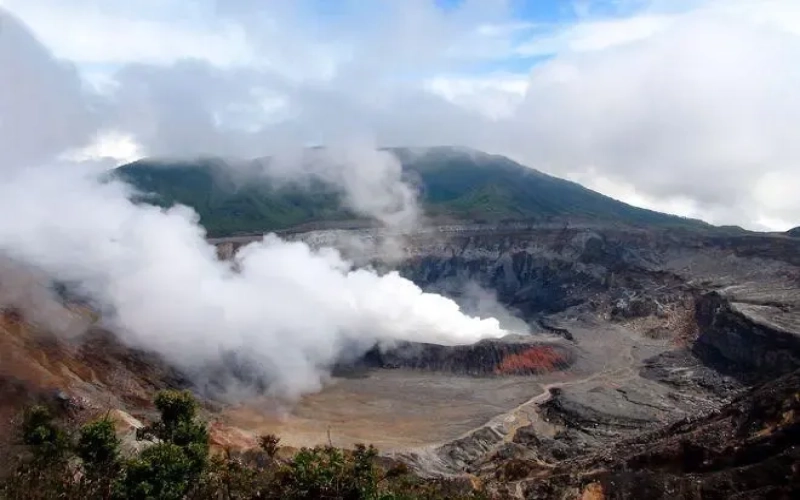
Costa Rica's Poás Volcano Sees Strongest Eruption in Nearly Five Years, Ash Fall Affects Residents' Lives and Coffee-Growing Regions
On April 2, the Poás Volcano in Costa Rica experienced its largest eruption in nearly five years, with an ash column reaching 600 to 800 meters above the crater, posing a threat to local residents' lives, air quality, and crops such as coffee. Poás Volcano National Park has been temporarily closed, and several coffee-producing regions around the volcano, including the well-known Central Valley, also face potential impacts from volcanic ash. At the same time, drought and frequent fires triggered by El Niño have further intensified pressure on local agriculture. This article will review the specifics of this volcanic eruption, its impact on the coffee industry, and the outlook for Costa Rica's coffee exports. [more…]
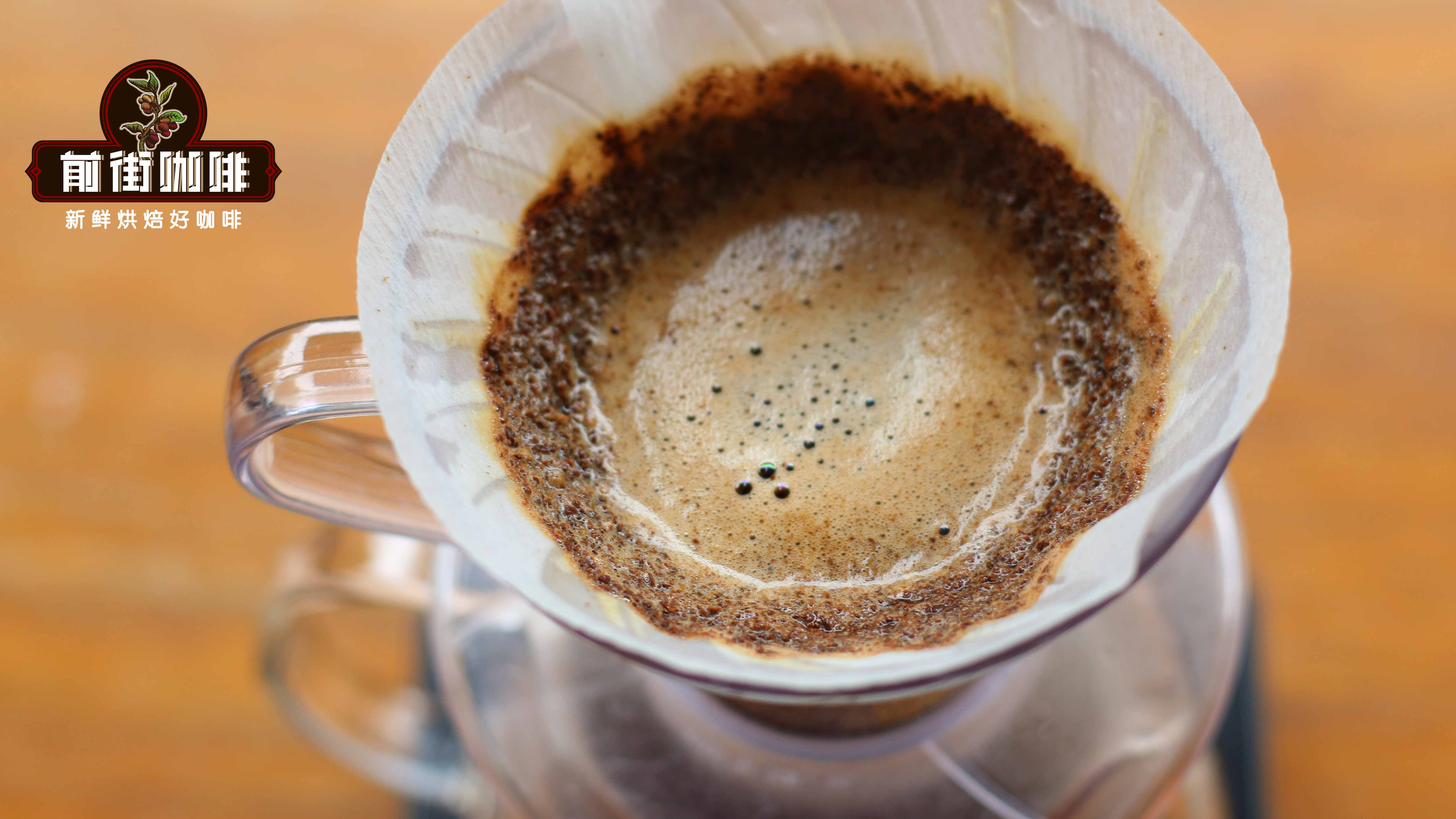
A Beginner's Guide to Pour-Over Black Coffee and Seven Everyday Bean Recommendations, Front Street Explains Classic Regional Flavors
To brew a delicious cup of pour-over black coffee at home, choosing the right beans is the first step. Based on Front Street Coffee's brewing experience, this article first explains the definition of pour-over coffee, the essential equipment, and the optimal flavor period of beans, then selects seven highly cost-effective everyday beans—Ethiopia Yirgacheffe, Guatemala Huehuetenango, Colombia Huila, Brazil Cerrado, Costa Rica Tarrazu, Indonesia Lintong Mandheling, and Yunnan Baoshan small-bean coffee—and analyzes each region's terroir conditions, processing methods, and flavor characteristics one by one, presenting a practical bean-selection guide for pour-over beginners. [more…]
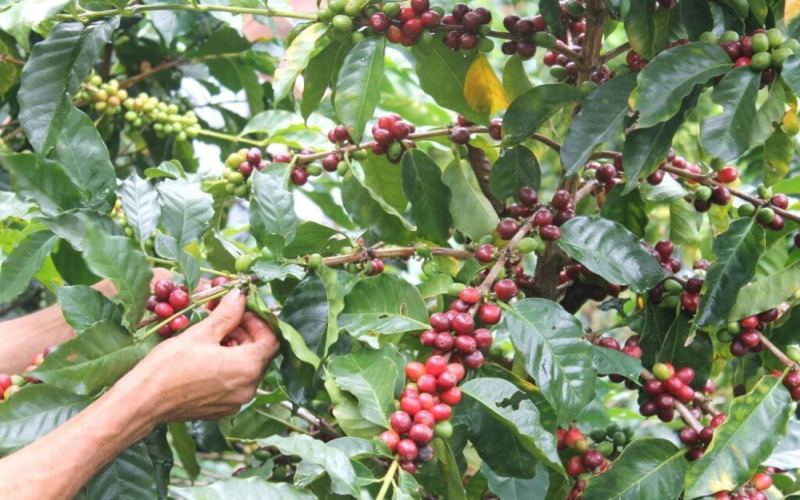
The Rise of Vietnam's Coffee Industry: A Look at Growing Regions, Bean Characteristics, and Classic Italian-Style Blends
Vietnam is the world's second-largest coffee producer. Its coffee industry, introduced during the French colonial period, has gone through a tortuous history of wartime interruption, reform and opening up, a surge in production, and price collapses. This article systematically reviews the development of Vietnamese coffee, explains in detail the altitude, bean varieties, and harvesting characteristics of the three major producing regions—the Central Highlands, southern Vietnam, and northern Vietnam—and analyzes the reasons behind Vietnam's quality, which is dominated by Robusta. At the same time, Front Street Coffee's classic espresso blend also uses Vietnamese Robusta beans, which together with Indonesian Mandheling and Brazilian Cerrado present rich chocolate and nutty flavors. [more…]
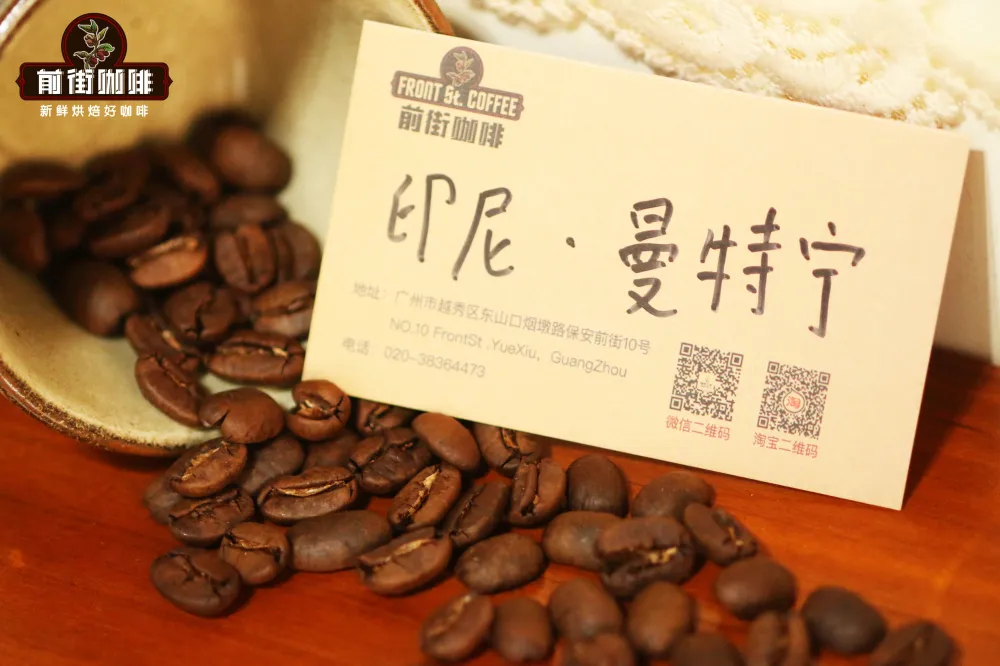
Indonesian Coffee Varieties | How Many Sumatra Mandheling Producing Regions Are There? What Variety Is Mandheling? An Introduction to the Origins of Mandheling and the History of Coffee Cultivation
For more specialty coffee knowledge, please follow the WeChat official account: Front Street Coffee (FrontStreet Coffee). Mandheling coffee is a specialty coffee of Indonesian coffee and also synonymous with Indonesian coffee. At Front Street, Mandheling coffee, as the representative coffee of Indonesian coffee, is listed on the daily drinking bean coffee menu. [more…]
Costa Rica's Emerging Region Brunca: A Comprehensive Analysis of Coffee Variety Cultivation Conditions and Flavor Characteristics
Although Costa Rica is not a large country, it occupies an important position on the global coffee map. The country has a coffee-growing history of more than two hundred years and enjoys natural advantages such as fertile volcanic ash soil, mild temperatures, and abundant rainfall, producing a diverse range of coffees from commercial Arabica to COE competition-level, and even Geisha varieties. Traditionally, Costa Rica is divided into seven major regions, and with the development of specialty coffee, micro-regions and small estate lots are constantly being discovered. Brunca, as the newest region, has cultivation altitudes between 800 and 1,200 meters. It was not well known in the past, but after Treasure Estate emerged in the COE competition in 2015, it gradually attracted attention. This article will introduce the cultivation situation and flavor characteristics of the Brunca region. [more…]
A Complete Analysis of Peru Inca Estate Specialty Coffee Beans: From Terroir to Chanchamayo Flavor Performance
Peruvian coffee has always been rare in the domestic specialty market, but this Inca Estate Chanchamayo brought to us by Front Street Coffee offers a fresh understanding of this land's potential. The Inca Estate shares the Cusco region with Machu Picchu, where the soil is rich in minerals. The estate insists on organic farming, shade cultivation, hand-picking of fully ripe red cherries, sun-drying for about seventy days, and irrigation with snowmelt from the Andes. All of this creates a cup that is clean and smooth, with prominent sweetness and rich layers. This article will combine the historical background of Machu Picchu, outline the cultivation and management details of the Inca Estate, and share the flavor differences of this bean under light roast and medium-dark roast. [more…]
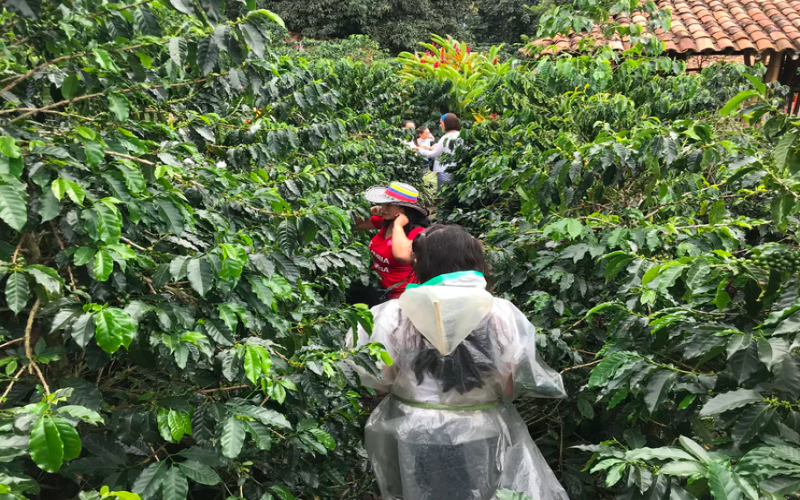
An Analysis of Coffee Cultivation Altitudes in Colombia: How High Altitude Shapes the Premium Flavor of Coffee Beans
Colombia, as the world's second-largest coffee-producing country, is renowned for its washed Arabica coffee, which has a soft, sweet flavor with cocoa notes. Coffee quality is deeply influenced by factors such as altitude, soil, and climate, with growing altitude being particularly critical. This article will explore the growing altitude range of Colombian coffee in depth, analyze how high altitude affects the flavor and quality of coffee beans, and introduce the characteristics of specialty regions such as Huila, Cauca, and Nariño, as well as Front Street Coffee's recommended Colombian coffee products and brewing suggestions. [more…]
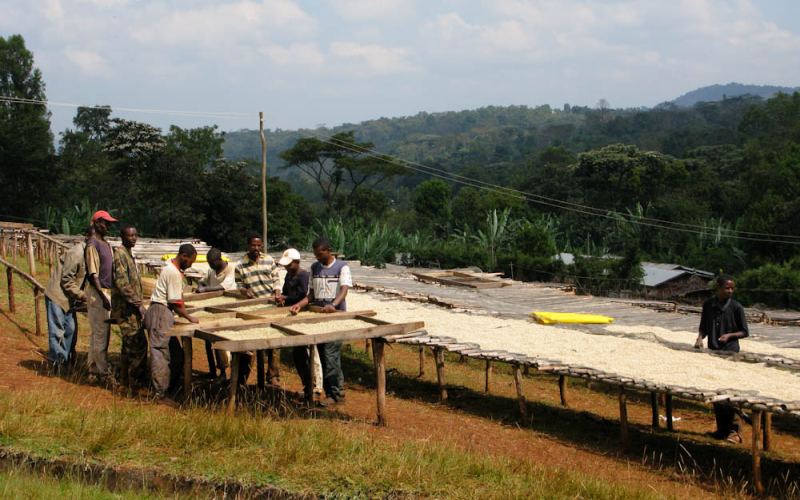
Yirgacheffe Drip Coffee | How Are Ethiopian Yirgacheffe Coffee Beans Named? Recommended High-Value Floral and Fruity Drip Coffee Bags Every Office Worker Should Buy
For those who are just getting into specialty coffee, we usually recommend everyday drinking coffee that is tasty and affordable. If you're thinking about convenience for carrying to the office or brewing at work, we suggest buying everyday drip bags, such as the Front Street Yirgacheffe everyday drip bags that are highly favored by coffee lovers. What is Yirgacheffe? "Yirga [more…]
Yirgacheffe Adado: A Comprehensive Analysis of Variety Classification, Terroir, and Washed/Natural Flavor Profiles of Ethiopian Specialty Beans
Yirgacheffe is both a highland town in Ethiopia and one of the most recognizable flavor symbols in the global specialty coffee world. This article systematically sorts through the variety classification system of Yirgacheffe specialty coffees such as Adado, the terroir conditions of the origin, the process differences between the two processing methods of natural and washed, and the signature flavors of citrus, jasmine, and fermented fruit sweetness that arise from them. From red cherry picking standards to the ECX grading system, from the innovation of traditional natural processing to the introduction of washed techniques, and then to Front Street Coffee's brewing suggestions, this takes you through a comprehensive understanding of why this wetland area can give rise to Africa's most famous specialty coffee. [more…]
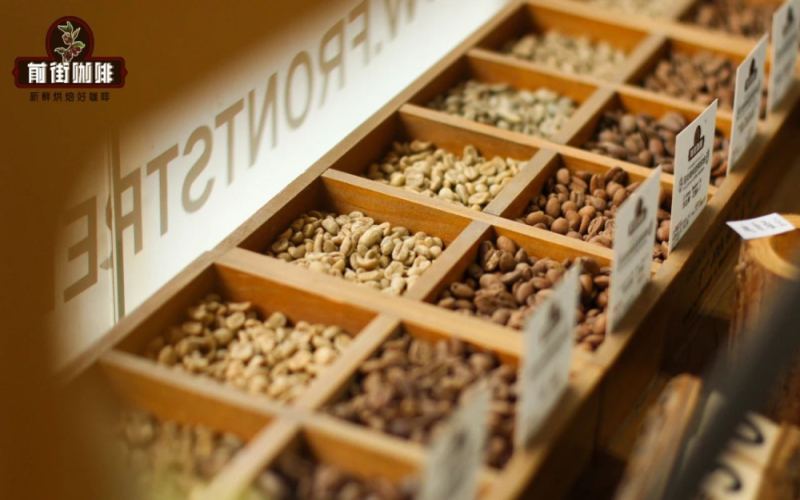
Tracing the History of Coffee Cultivation in Yunnan: An Analysis of the Flavor Characteristics of Arabica Coffee Beans from Baoshan and Lincang
Nowadays, seeing Yunnan beans in coffee shops is no longer uncommon; when chatting with friends about where the coffee tastes good, the answer has shifted from exclusively imported beans to domestically grown Yunnan and Vietnamese coffee. As China's largest coffee-producing region, Yunnan's planting story is far longer than we might imagine. From the first coffee tree planted by a French missionary in Zhukula Village in 1892, to the large-scale development of producing areas such as Lujiangba in Baoshan and Lincang, Yunnan coffee has walked a unique path. This article will review the planting history of Yunnan coffee, analyze the terroir conditions of the two core producing areas, Baoshan and Lincang, introduce the characteristics of major varieties such as Typica, Bourbon, and Catimor, and share the brewing parameters and flavor performance of Front Street Coffee's everyday beans. [more…]
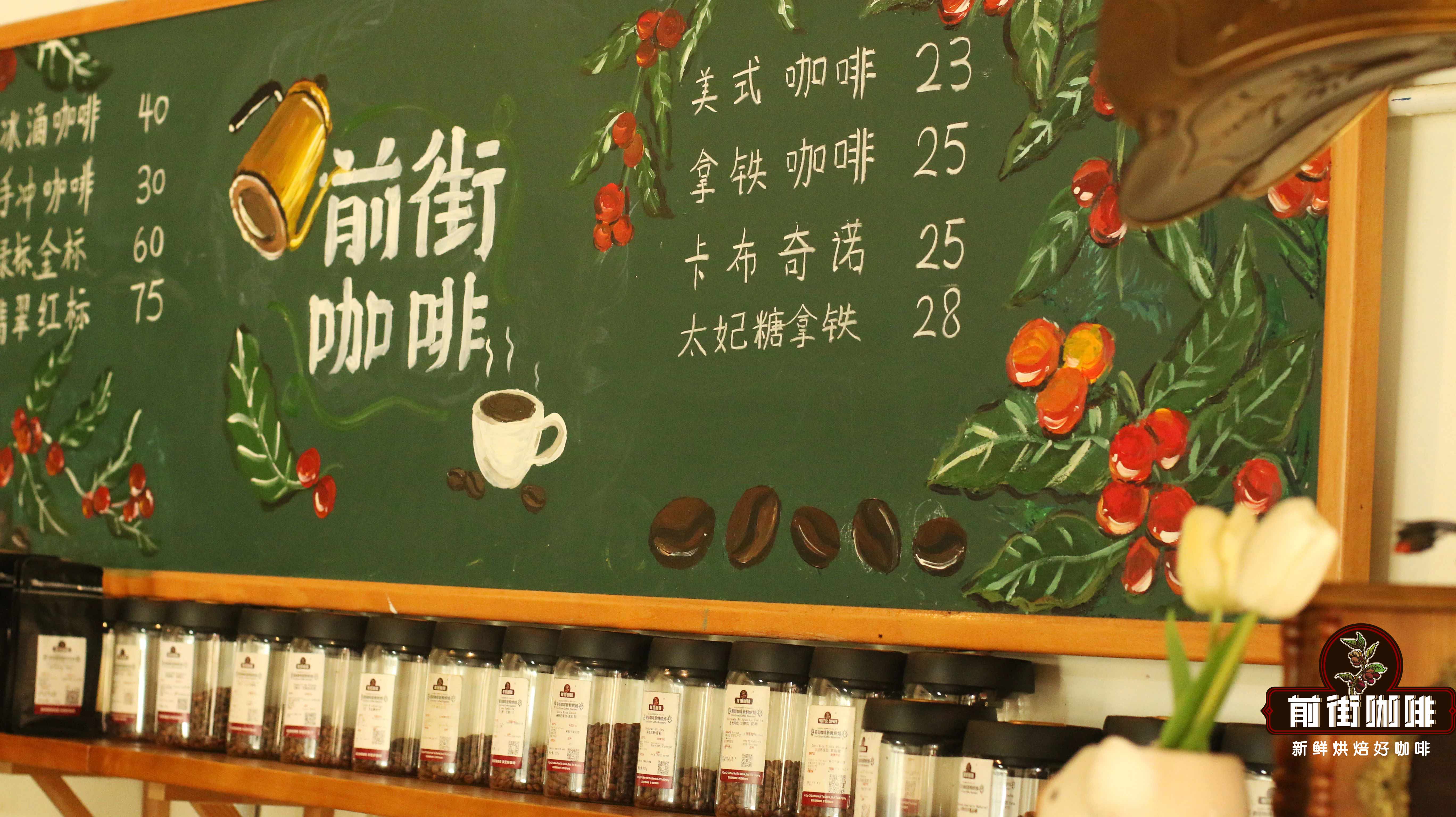
Arabica Coffee Bean Analysis: Starbucks Pricing, Mandheling Flavor, and a Complete Overview of Sumatra's Regional Varieties and Estates
Friends who frequently drink Starbucks may have noticed that the coffee bean packaging lists the ingredients as nothing but Arabica. Why are coffee beans from different regions and with different flavors all classified as Arabica? What varieties does Arabica actually encompass, and why has it become the mainstream of specialty coffee? From the perspective of Front Street Coffee, this article systematically sorts out the definition, global distribution, and varietal branches of Arabica, and provides an in-depth interpretation of Starbucks Indonesia Sumatra coffee beans—that is, the past and present of Mandheling. The content covers the meaning of the Sumatran tiger logo, the origin and processing methods of Tiger Mandheling, the characteristics of the two major varieties Typica and Caturra, as well as Front Street roasters' medium-dark roast approach and brewing parameter recommendations for Mandheling, helping coffee enthusiasts fully understand the flavor logic of this full-bodied coffee. [more…]

The Development History of Panama Hacienda La Esmeralda Geisha Coffee Beans and How to Identify the Differences Between the Red, Green, and Blue Label Geishas
Geisha coffee occupies a pivotal position in the world of specialty coffee, and the Geisha produced by Panama's Hacienda La Esmeralda is the benchmark for this variety. This article begins with the origin of the name Geisha, reviews how Hacienda La Esmeralda transformed from a dairy-focused farm into a specialty coffee mecca, and how its 2004 BOP victory rewrote the history of specialty coffee. The article focuses on sorting out the grading criteria, altitude ranges, flavor profiles, and market positioning of Hacienda La Esmeralda's three product lines: Red Label, Green Label, and Blue Label, and introduces the emergence of the "Volcanic Rock" Geisha after the discontinuation of Blue Label. Front Street Coffee also shares Geisha coffee brewing parameters and suggestions to help readers fully understand this legendary variety. [more…]
Tracing the History of Yunnan Coffee Cultivation and a Comprehensive Analysis of the Flavor Characteristics of Yunnan Arabica Coffee Beans
Yunnan, as China's largest coffee-growing region, has a coffee history that can be traced back over a century to when French missionaries introduced the crop to Zhukula Village. From Baoshan, Dehong, and Lincang to Pu'er, Yunnan's unique geographical and climatic conditions have nurtured small-bean coffee that is rich yet not bitter, aromatic yet not harsh, with a slight fruity note. In this article, Front Street Coffee will take you through the origin story of Yunnan coffee, outline the distribution of its main growing regions, analyze the characteristics of varieties such as Typica, Bourbon, and Catimor, and share the flavor differences between washed and natural processing methods along with brewing suggestions, for a comprehensive understanding of Yunnan coffee's past and present. [more…]
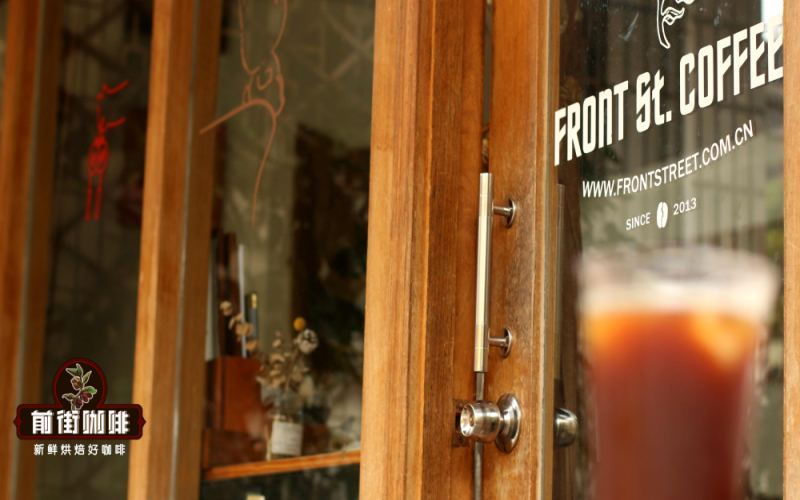
What exactly do coffee staple beans mean? A full analysis of the flavors and brewing parameters of eight high-value Front Street staple beans.
Many friends who are just getting into coffee have this question: What exactly are "daily drinker" beans? Why are they called that? Simply put, daily drinker beans are small-package coffee beans designed for everyday drinking—light in weight, affordable in price, and diverse in flavor. They help beginners sample the characteristics of different origins at a lower cost while reducing waste from buying the wrong beans. To this end, Front Street Coffee has launched eight daily drinker beans, covering origins such as Ethiopia, Honduras, Colombia, Costa Rica, Guatemala, Yunnan China, Indonesia, and Brazil. Each pack is 100 grams and highlights the most recognizable flavors of each origin. Below, we will introduce these eight beans one by one, including their origin information, processing methods, and brewing suggestions, to help coffee lovers make choices based on their taste preferences. [more…]